How Automatic Car Washes Affect Ceramic Coating Longevity in Brighton in Ceramic Coating Brighton, CO
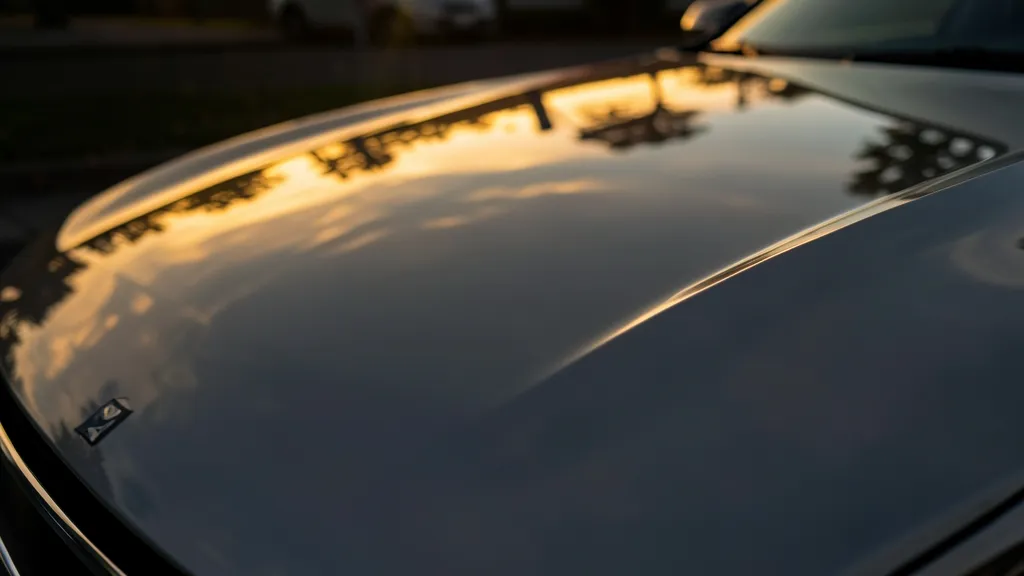
Automatic car washes are convenient, but their abrasive brushes and harsh chemicals can compromise your ceramic coating’s integrity over time. In Brighton’s dry, dusty climate, the wrong wash routine accelerates wear and dulls that showroom shine. We break down the risks and how to wash safely.
Why Automatic Car Washes Pose a Threat to Ceramic Coatings
Most automatic car washes use rotating brushes or cloth strips that trap grit, creating micro-scratches that erode the ceramic layer. Even ‘soft-touch’ systems may not prevent all abrasion.
High-pressure jets and alkaline detergents strip away the hydrophobic top layer, reducing water beading and self-cleaning properties. Over time, this degrades the coating’s UV and chemical resistance.
Brighton’s frequent dust storms mean vehicles carry more embedded contaminants. Automatic washes often push this debris across the surface, amplifying the damage.
Brushes—even foam ones—hold sand and road grime that scratch ceramic coatings. Stick to touchless or hand-wash methods to preserve longevity.
Touchless vs. Soft-Cloth Automatic Washes: The Ceramic Coating Showdown
Touchless car washes rely on high-pressure water and chemicals, avoiding physical contact. They’re safer for ceramic coatings but may use harsher cleaners that break down the polymer matrix faster.
Soft-cloth systems reduce chemical intensity but introduce friction. In Brighton’s arid air, static charge attracts dust to the cloth, turning it into sandpaper against your coating.
| Wash Type | Abrasion Risk | Chemical Risk | Best For Ceramic Coatings |
|---|---|---|---|
| Brush-Based | High | Moderate | Avoid |
| Soft-Cloth | Moderate | Low-Moderate | Occasional Use Only |
| Touchless | None | High | Cautious Use |
| Hand Wash | None | Low (if pH-balanced) | Ideal |
Brighton’s Climate: A Hidden Factor in Coating Wear
Our region’s intense UV exposure and temperature swings stress ceramic coatings. Automatic washes with strong degreasers accelerate this breakdown by stripping protective oils from the surface.
Winter road salts in Commerce City and Thornton cling to paint, and automatic pre-soaks often fail to remove them completely. Left behind, they etch the coating over time.
Dust from Henderson and Fort Lupton’s rural roads is highly abrasive. Automatic washes that don’t pre-rinse thoroughly grind this dust into the finish.
Signs Your Ceramic Coating Is Suffering from Automatic Washes
Water no longer beads into tight, round droplets. Instead, it sheets or leaves flat spots—a clear sign the hydrophobic layer is thinning.
Swirl marks or hazing appear under direct sunlight. These are often caused by embedded grit in wash brushes or improper drying at the car wash.
Chemical stains or etching, especially near wheel wells or lower panels, indicate pH-imbalanced cleaners have compromised the coating’s resistance.
Spritz water on a clean panel. If it doesn’t bead tightly or slides off slowly, your coating may need maintenance or reapplication.
Safe Alternatives to Automatic Car Washes in Brighton
The two-bucket hand-wash method with a grit guard is the gold standard. Use pH-neutral car shampoo and microfiber wash mitts to avoid scratching.
Touchless automatic washes are a *last resort* if you must use one. Opt for facilities in Lochbuie or Fort Lupton that advertise ceramic-safe or pH-balanced solutions.
For maximum protection, pair your ceramic coating with paint protection film on high-impact areas. PPF installation absorbs the brunt of wash-induced abrasion.
Ceramic-Safe Wash Essentials
- pH-neutral car shampoo (avoid dish soap)
- Separate buckets for wash and rinse water
- Grit guards in both buckets
- High-quality microfiber towels for drying
- Blower or filtered air for crevices
Maintenance Routine to Extend Ceramic Coating Life
Wash your vehicle every 1–2 weeks to prevent contaminant buildup. In Brighton’s dusty seasons, weekly washes are ideal to reduce abrasive particles on the surface.
Apply a ceramic boost spray every 3–6 months to refresh hydrophobic properties. This is especially critical after harsh winters in Thornton or Commerce City.
Inspect the coating annually for signs of wear. If water beading or gloss diminishes, schedule a professional inspection—sometimes a light polish and reapplication of the top layer restores performance.
When to Consider Professional Intervention
If swirl marks or etching are visible, a professional paint correction may be needed before reapplying ceramic coating. This is common for vehicles frequently washed at automatic facilities.
For fleet or commercial vehicles in Henderson or Lochbuie, we recommend a full-vehicle ceramic coating paired with PPF on high-wear areas to withstand rigorous cleaning routines.
Wheel and brake caliper ceramic coatings often degrade faster due to brake dust and heat. These may need reapplication every 1–2 years, even with careful washing.
How to Wash Your Ceramic-Coated Car Without Damaging It
Follow these steps to clean your vehicle safely and preserve your ceramic coating’s protective qualities.
- 1Pre-Rinse Thoroughly
Use a pressure washer or hose with a foam cannon to remove loose dirt. This prevents scratching during the wash.
- 2Use the Two-Bucket Method
Fill one bucket with soapy water and another with clean rinse water. Dip your mitt in the rinse bucket before reloading with soap to avoid cross-contamination.
- 3Wash from Top to Bottom
Start at the roof and work downward, cleaning one panel at a time. Use straight-line motions, not circles, to minimize swirl marks.
- 4Dry with a Clean Microfiber Towel
Pat the surface dry—don’t drag the towel. For extra care, use a blower to remove water from crevices and emblems.
- 5Apply a Ceramic Boost Spray (Optional)
After drying, spray a ceramic detailer or boost product onto the paint and buff with a fresh microfiber towel to restore hydrophobicity.
Frequently Asked Questions
Can I ever use an automatic car wash if my car has a ceramic coating?
Occasional use of a *touchless* automatic wash with ceramic-safe chemicals is acceptable, but it’s not ideal. Brush-based washes should always be avoided. For best results, stick to hand washing or professional detailing.
How often should I reapply ceramic coating in Brighton’s climate?
With proper care, a professional-grade ceramic coating lasts 2–5 years. However, Brighton’s UV exposure and dust may shorten this. Annual inspections help determine if a boost or reapplication is needed.
Will automatic car washes damage my ceramic coating?
Most ceramic coatings require proper maintenance, which typically excludes automatic car washes with brushes or harsh chemicals. Always check the terms—many specify hand-washing as a condition.
What’s a way to remove water spots from a ceramic-coated car?
Use a dedicated water spot remover or a 50/50 mix of isopropyl alcohol and distilled water. Apply with a microfiber towel, then follow up with a ceramic boost spray. Avoid automatic washes that leave mineral deposits.
Does ceramic window tint require the same care as paint coatings?
Ceramic window tint is durable but can be scratched by abrasive wash brushes or harsh towels. Clean windows with a soft microfiber cloth and ammonia-free glass cleaner to maintain clarity and longevity.
Is paint protection film a better option than ceramic coating for frequent car wash users?
PPF installation offers superior protection against physical abrasion, making it ideal for vehicles that must use automatic washes. However, PPF lacks the self-cleaning and UV-resistant properties of ceramic coatings. Many Brighton drivers opt for both: PPF on high-impact areas and ceramic coating over the entire vehicle.