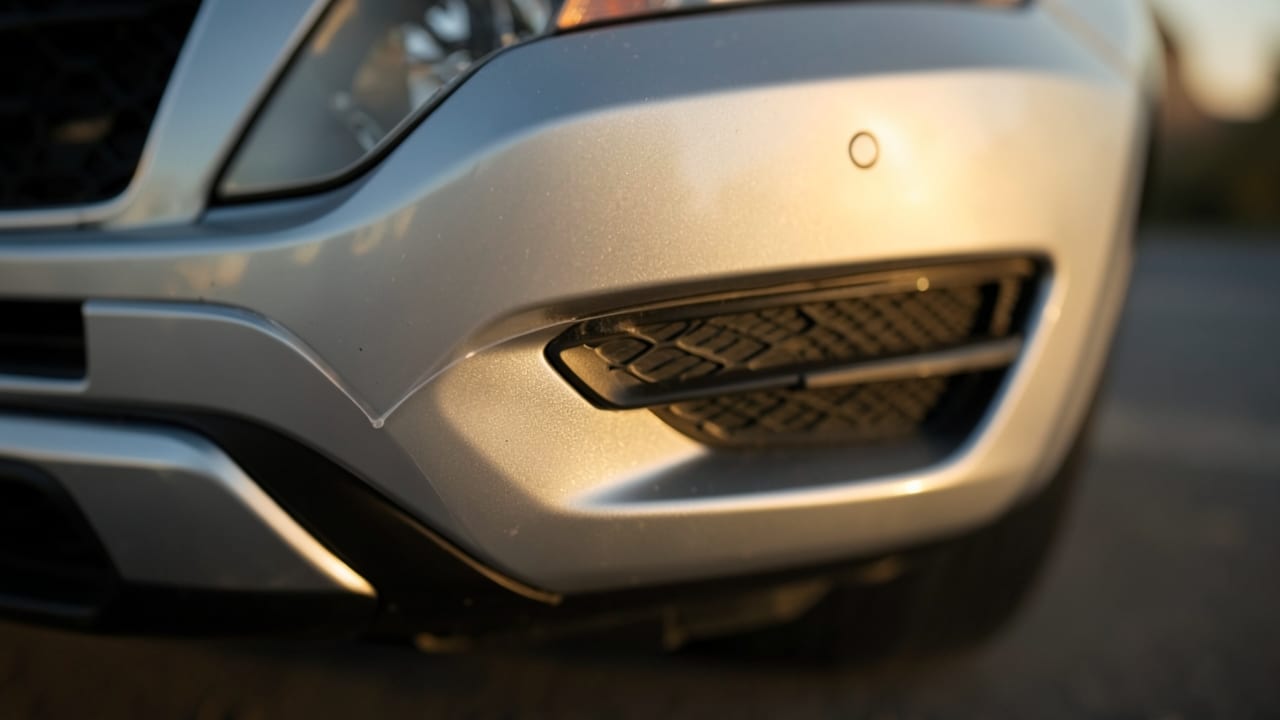
Paint Protection Film (PPF) Installation
Self-healing clear PPF installation in Brighton, CO for high-impact panels or a full-body wrap — real physical protection against rock chips and road debris.
Protect your Brighton vehicle’s paint from rock chips, road debris, and everyday wear with professional Paint Protection Film (PPF) installation. Our clear, self-healing urethane film acts as a physical barrier, preserving your car’s finish in high-impact areas like the hood, bumper, and fenders.
Why PPF Beats Coatings for Physical Protection
Paint Protection Film is the only solution that stops rock chips and deep scratches. Unlike ceramic coatings, which add a hard layer to repel contaminants, PPF is a thick, flexible barrier that absorbs impacts. Its self-healing top layer even repairs light swirls with heat from sunlight or a heat gun.
We also handle Post-Storm Contaminant Removal and Full-Vehicle Ceramic Coating for Brighton vehicles.
For Brighton drivers, highway debris and gravel are constant threats. PPF shields high-impact zones—hood, front bumper, fenders, mirrors, and rocker panels—without altering your vehicle’s appearance. It’s the proven choice for long-term paint preservation.
| Protection Type | Stops Rock Chips? | Self-Healing? | Easy Maintenance? |
|---|---|---|---|
| Paint Protection Film (PPF) | Yes | Yes (top layer) | Yes (can be topped with ceramic coating) |
| Ceramic Coating Alone | No | No | Yes |
Coverage Options Tailored to Your Brighton Vehicle
We offer coverage levels from partial-front kits to full-body wraps, all cut to your vehicle’s exact dimensions using computer-generated patterns. Partial kits protect the highest-impact areas—hood edge, front bumper, mirrors, and fender leading edges—while full wraps provide complete protection.
During your consultation, we’ll walk your vehicle with you, pointing out common wear patterns in Brighton’s roads. This helps us recommend the right coverage for your driving habits and budget.
What Affects PPF Installation Cost
- Coverage level (partial front, full hood/fender, full body)
- Vehicle make and model (complex curves or custom cuts increase labor)
- Add-ons like ceramic coating over the film
- Pre-existing paint corrections or repairs needed
Precision Installation Process
Every PPF installation begins in our dust-controlled workspace, where we thoroughly clean and prep your vehicle’s surface. Dust or debris trapped under the film causes visible bumps, so a spotless environment is critical.
We then apply the film using computer-cut patterns for a seamless, wrapped-edge fit. No gaps, no lifting—just a factory-quality finish that blends invisibly with your vehicle’s paint.
How PPF Installation Works
Our process ensures a flawless, long-lasting application.
- 1Surface Preparation
We deep-clean the vehicle’s surface in a dust-free environment to remove contaminants that could cause bubbles or bumps under the film.
- 2Computer-Cut Patterns
Using precise, make-and-model-specific templates, we cut the PPF panels to fit your vehicle’s curves and edges perfectly.
- 3Film Application
We apply the film panel by panel, stretching and wrapping edges for a seamless, invisible finish with no lifting at gaps.
- 4Heat Activation & Inspection
A heat gun activates the film’s self-healing properties and ensures full adhesion. We inspect every panel for imperfections before finalizing.
- 5Optional Ceramic Coating
For added gloss and easier maintenance, we can top the PPF with a ceramic coating to unify the film and paint’s appearance.
Frequently Asked Questions
Can PPF be applied to any part of my car?
Yes, but we recommend focusing on high-impact areas like the hood, front bumper, fenders, mirrors, and rocker panels. Full-body wraps are also available for complete protection.
How long does PPF last in Brighton’s climate?
High-quality PPF typically lasts 5–10 years with proper care. The film’s self-healing layer helps maintain its appearance, and topping it with a ceramic coating can extend its lifespan.
Will PPF change the look of my vehicle?
No. PPF is a clear film designed to be invisible once applied. It preserves your vehicle’s original color and finish while adding a layer of protection.
Is PPF worth it for a daily driver in Brighton?
Absolutely. Brighton’s roads expose vehicles to gravel, bugs, and debris that chip paint. PPF prevents costly repaints and maintains your car’s resale value.
See North Washington, CO for more, or see the full ceramic coating lineup we run in Brighton by service type for our complete lineup.
Ready to get started?
Talk to a local ceramic coating pro in Brighton — get a written quote.
Other Ceramic Coating Services in Brighton
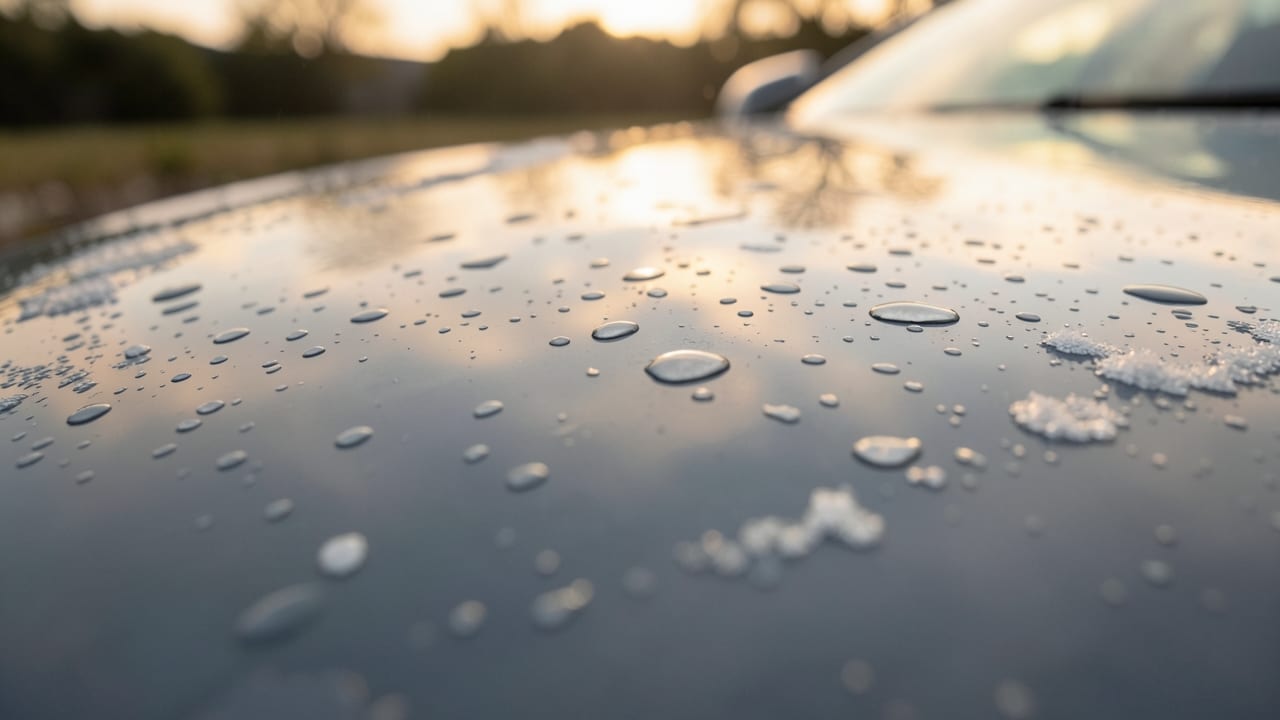
Post-Storm Contaminant Removal in Brighton, CO
Removal of contaminants from vehicle paint after storms, followed by ceramic coating application.
Learn More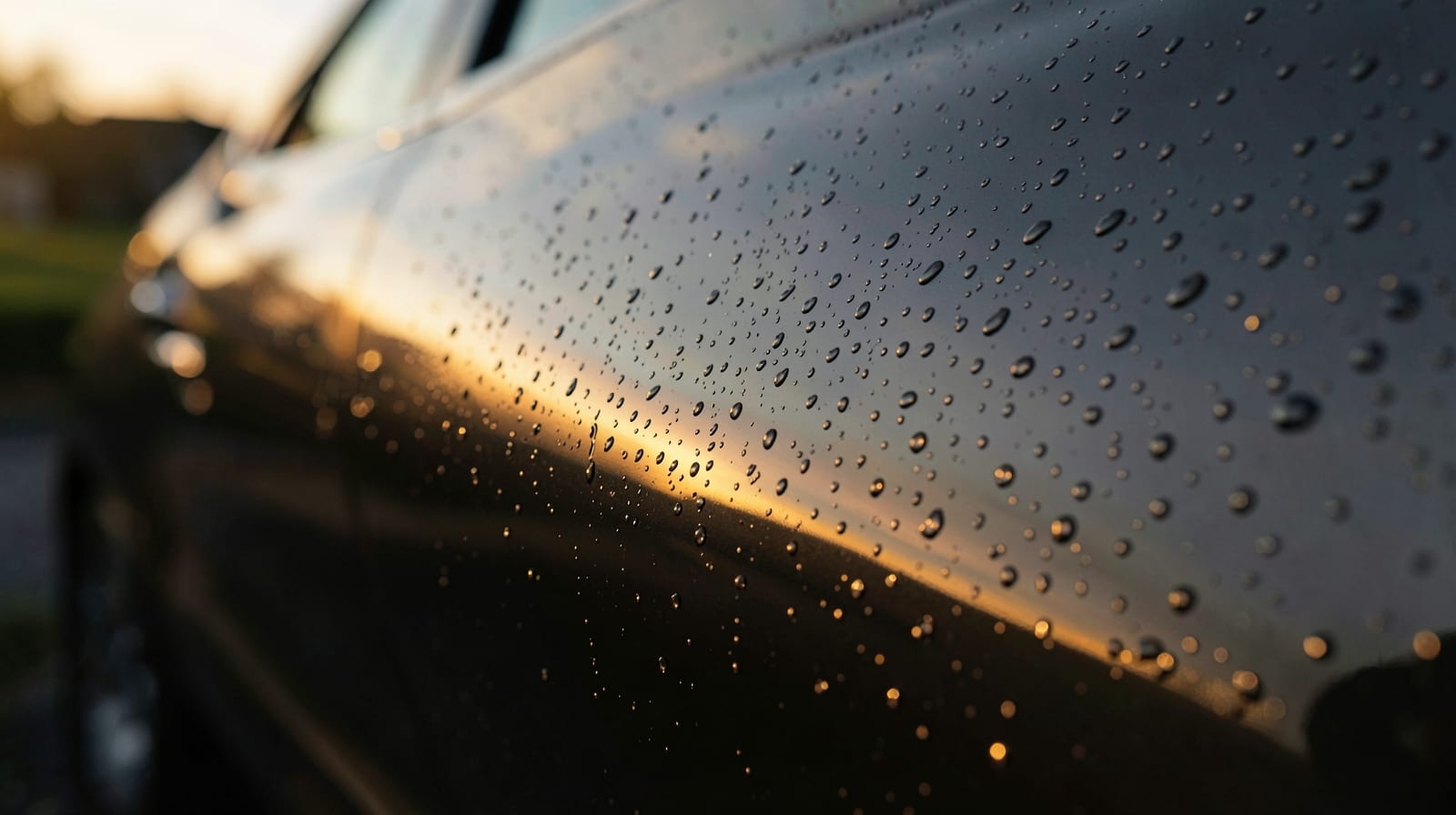
Full-Vehicle Ceramic Coating in Brighton, CO
Professional nano-ceramic coating for vehicles in Brighton, CO — a hard, semi-permanent SiO2 layer for deep gloss, strong hydrophobic protection, and easier washing.
Learn More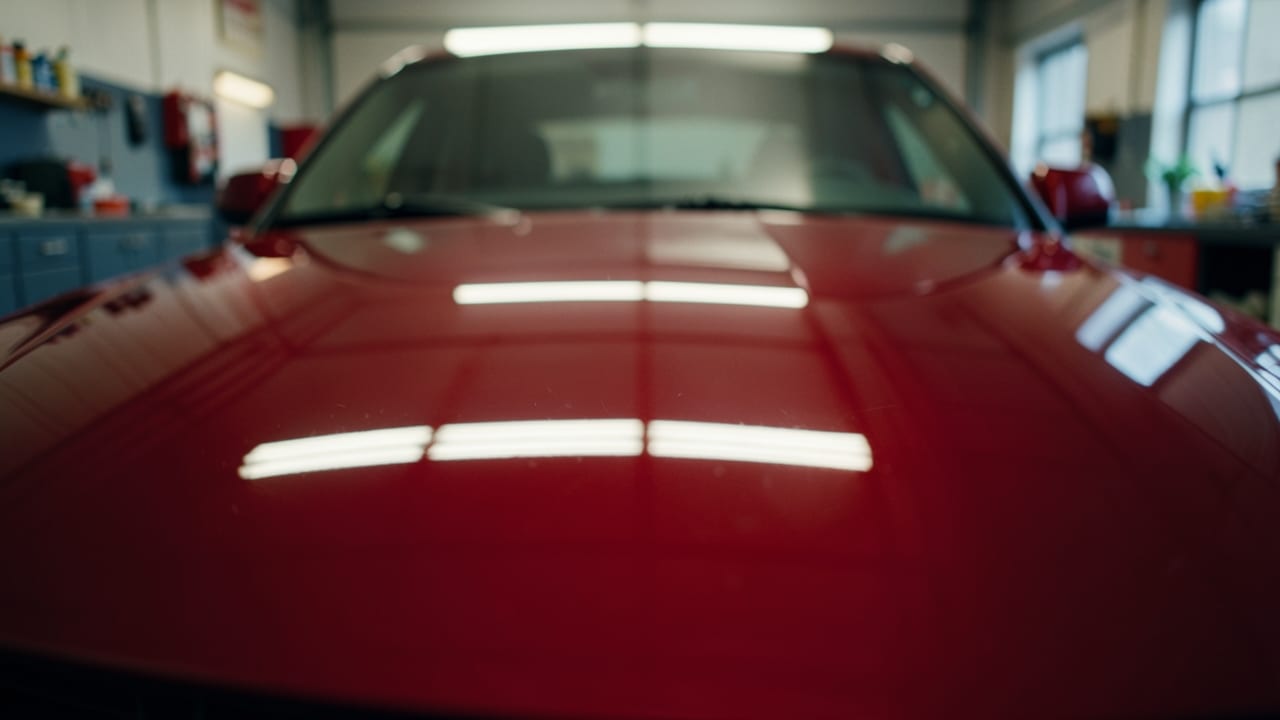
Paint Correction & Polishing in Brighton, CO
Machine paint correction and polishing in Brighton, CO — removes swirl marks, oxidation, and water spots, and is the mandatory first step before any ceramic coating.
Learn More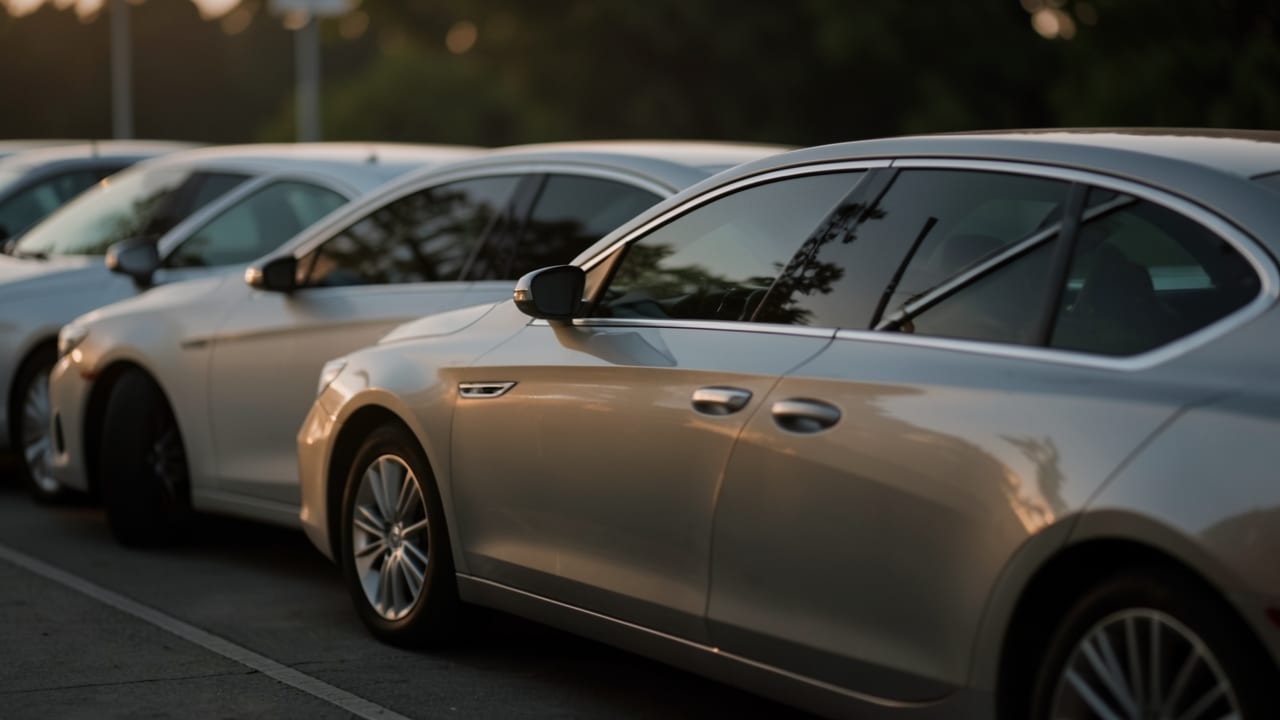
Ceramic Window Tint in Brighton, CO
Nano-ceramic window tint in Brighton, CO — rejects heat and blocks 99% of UV without the signal interference or fading of cheaper films.
Learn More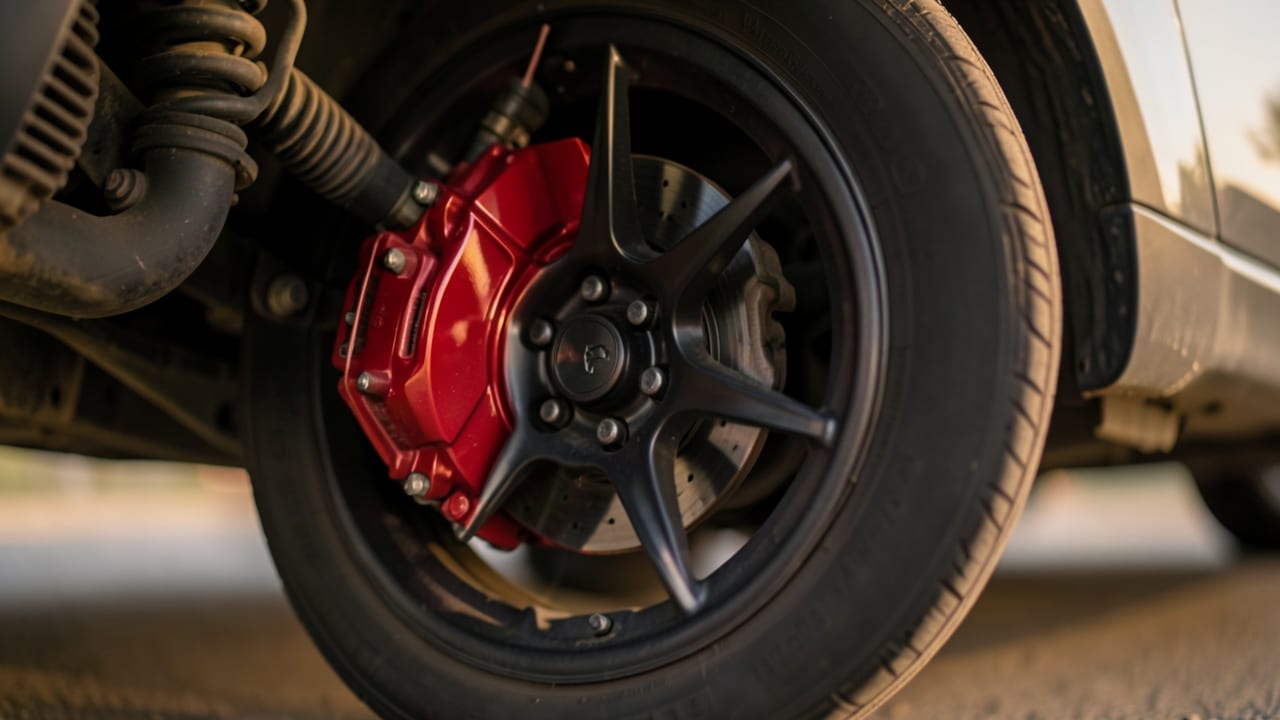
Wheel & Brake Caliper Ceramic Coating in Brighton, CO
Dedicated ceramic coating for wheels and brake calipers in Brighton, CO — stops brake dust and corrosive grime from bonding to the finish.
Learn More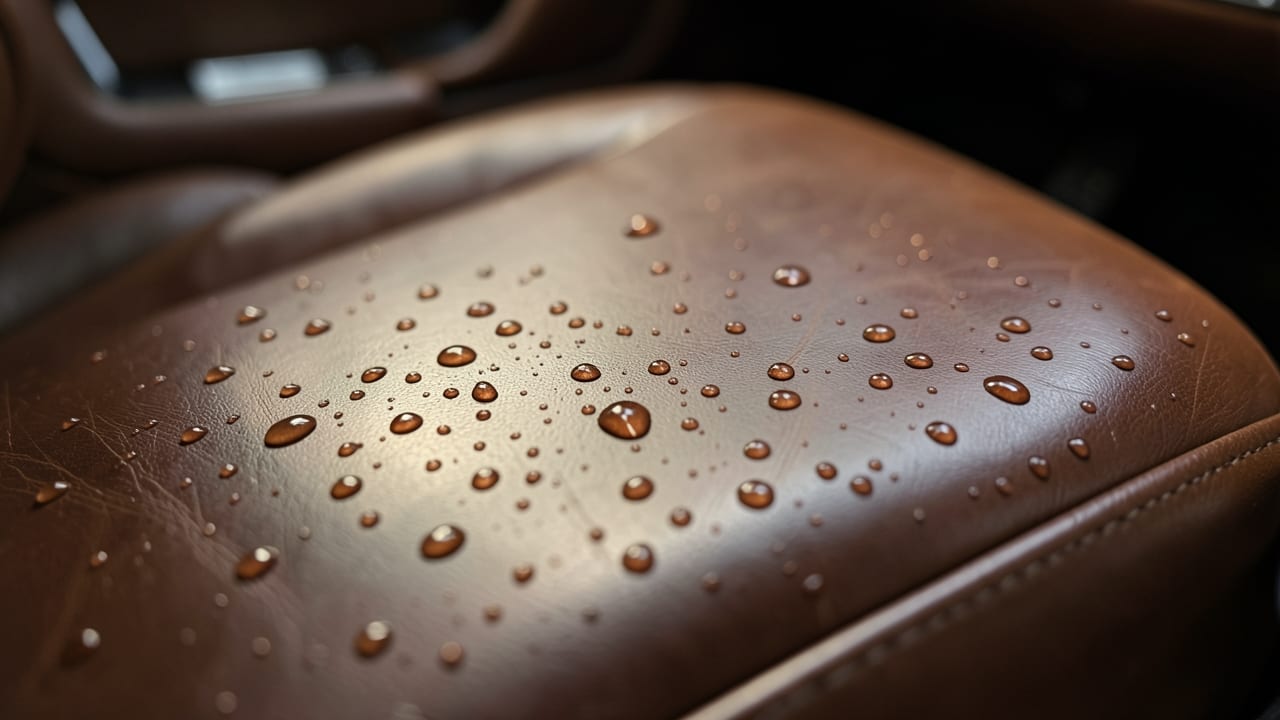
Interior Ceramic Protection in Brighton, CO
Interior fabric, leather, and trim ceramic protection in Brighton, CO — guards against spills, UV fading, and daily wear.
Learn MoreCommon Questions About Ceramic Coating in Brighton
Everything you need to know about ceramic coating services in Brighton
How much does Paint Protection Film (PPF) Installation typically cost in Brighton, CO?
Can ceramic coating prevent rock chips on mountain roads around Brighton, CO?
Can ceramic coating be applied at home instead of by a detailing shop?
How long does a ceramic coating actually last in real-world use?
What is the difference between graphene and SiO2 ceramic coatings?
Does a ceramic coating need to be topped up over time?
Need Ceramic Coating in Brighton?
Get a written quote from our Brighton crew.
⏰ We answer your call • Serving all of Brighton and surrounding areas