Ceramic Coating vs. PPF: Why Brighton Drivers Choose Long-Term Paint Protection in Ceramic Coating Brighton
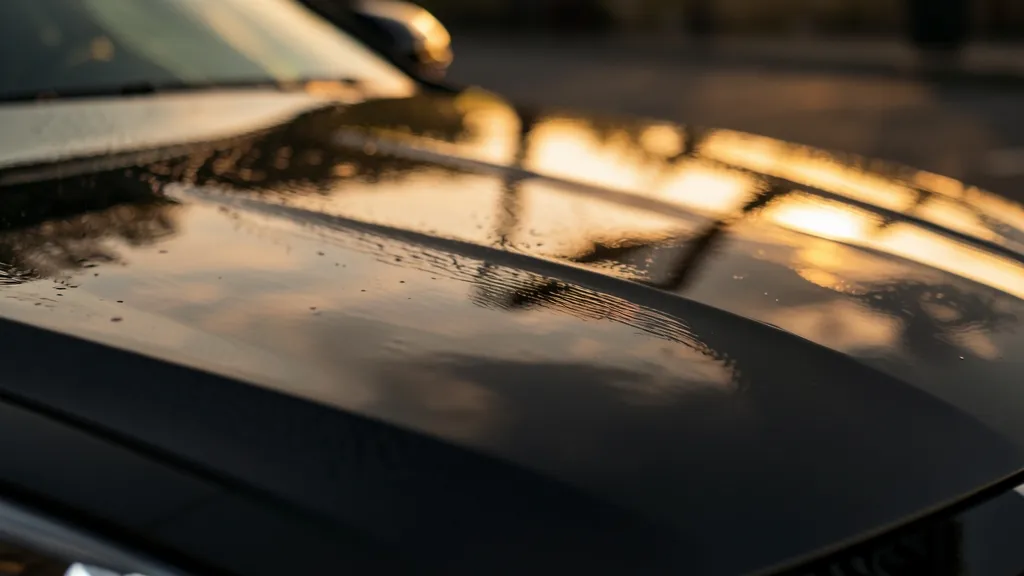
Brighton’s harsh sun, road salt, and gravel take a toll on vehicle paint—so drivers here know protection isn’t optional. We see more locals choosing ceramic coating over traditional PPF for its long-term durability, deeper gloss, and lower maintenance. But the right choice depends on your priorities and driving habits.
The Core Difference: How Ceramic Coating and PPF Protect Your Paint
Ceramic coating is a liquid polymer that chemically bonds with your clear coat, forming a hydrophobic, UV-resistant layer. It doesn’t just sit on top—it becomes part of the surface, enhancing gloss and repelling contaminants like bird droppings, tree sap, and road grime.
PPF, or paint protection film, is a thick, self-healing urethane layer applied like a second skin. It absorbs impacts from rocks and debris, preventing chips and scratches. Unlike ceramic coating, PPF is physically sacrificial—it takes the damage so your paint doesn’t have to.
Why Brighton’s Climate Favors Ceramic Coating
Colorado’s high-altitude sun bombards your paint with intense UV rays year-round, accelerating oxidation and fading. Ceramic coating blocks 99% of UV damage, preserving your finish far longer than wax or sealants ever could.
PPF also resists UV, but its strength is impact protection. For Brighton drivers who prioritize long-term gloss and chemical resistance over rock-chip defense, ceramic coating is the smarter investment. It also handles our freeze-thaw cycles better, resisting cracking or peeling.
If you frequently drive gravel roads near Henderson or Fort Lupton, consider pairing ceramic coating with PPF on high-impact areas like the hood and bumper. This hybrid approach maximizes protection where you need it most.
Durability: Ceramic Coating vs. PPF Lifespan in Real-World Conditions
A professional-grade ceramic coating lasts 5 to 7 years with proper care, even under Brighton’s punishing sun. Its hydrophobic properties make washing easier, reducing swirl marks from improper cleaning.
Quality PPF lasts 7 to 10 years but may yellow or haze over time, especially if exposed to constant UV without maintenance. Unlike ceramic coating, PPF can be removed and replaced, but it’s a more involved process.
| Feature | Ceramic Coating | Paint Protection Film (PPF) |
|---|---|---|
| UV Resistance | Excellent (99%+ block) | Very Good |
| Scratch Resistance | Moderate (light scratches) | High (self-healing for minor scratches) |
| Impact Protection | Minimal | High (absorbs rock chips) |
| Hydrophobic Properties | Extreme (water beads instantly) | Moderate |
| Gloss Enhancement | High (deep, mirror-like finish) | Neutral (matte or gloss options) |
| Maintenance | Low (easy washing) | Moderate (requires careful cleaning) |
| Lifespan | 5–7 years | 7–10 years |
| Removability | Permanent (requires polishing to remove) | Yes (peel-off replacement) |
Cost Factors: What Brighton Drivers Need to Know
The cost of ceramic coating depends on vehicle size, paint condition, and coating grade. A full-vehicle ceramic coating requires meticulous paint correction first—skipping this step means locking in swirls and defects under the coating.
PPF pricing varies by coverage area and film quality. Full-front PPF (hood, fenders, bumper, mirrors) is common for Brighton drivers who want chip protection without the full-vehicle expense. For exact numbers, request a quote—we’ll assess your paint’s needs and your driving habits.
Paint correction, vehicle size, and whether you add extras like wheel or caliper coating all influence the final cost. A consultation ensures you’re not overpaying for protection you don’t need.
Maintenance: Keeping Your Protection in Top Shape
Ceramic coating requires minimal upkeep—just regular washing with pH-neutral soap. Avoid automatic car washes with harsh brushes, as they can dull the coating over time. A yearly maintenance spray can refresh its hydrophobic properties.
PPF needs more attention. Clean it with a mild detergent and avoid pressure washers too close to the edges. For self-healing films, a heat source (like a hairdryer) can repair minor scratches. Both options benefit from periodic decontamination to remove embedded grime.
Ceramic Coating Care Essentials
- Wash with pH-neutral car shampoo every 2 weeks
- Use a microfiber wash mitt to prevent swirls
- Dry with a clean microfiber towel to avoid water spots
- Apply a ceramic-boosting spray every 6–12 months
- Avoid wax or sealants (they can interfere with hydrophobic properties)
Aesthetics: Gloss, Depth, and the ‘Just Detailed’ Look
Ceramic coating enhances your paint’s natural depth and clarity, giving it a permanent “just waxed” appearance. The hydrophobic effect means water sheets off instantly, reducing water spots and making drying a breeze.
PPF, while protective, doesn’t enhance gloss—it preserves your paint’s current finish. Matte or satin PPF options are popular for custom looks, but they lack the reflective pop of a ceramic-coated surface. For Brighton drivers who want showroom shine, ceramic coating is the clear winner.
Hybrid Protection: The Best of Both Worlds for Brighton Roads
Many local drivers combine ceramic coating and PPF for ultimate protection. We often apply PPF to high-impact zones (front bumper, hood, fenders) and ceramic coating over the rest of the vehicle. This balances chip resistance with long-term gloss and ease of maintenance.
This approach is ideal for daily drivers in areas like Commerce City or Thornton, where road debris is common but full PPF isn’t necessary. Ceramic coating on wheels and brake calipers adds extra durability against brake dust and harsh cleaners.
Improper PPF installation can trap dirt, cause bubbling, or peel prematurely. Ceramic coating applied over unclean paint will fail. Always trust a professional—especially for high-end vehicles.
Which Is Right for You? Matching Protection to Your Driving Style
Choose ceramic coating if you want long-term gloss, UV protection, and low maintenance. It’s perfect for Brighton drivers who prioritize aesthetics and ease of cleaning, especially for vehicles garaged most of the time.
Opt for PPF if you frequently drive on gravel roads or in high-traffic areas where rock chips are a constant threat. For the ultimate defense, a hybrid approach lets you enjoy the benefits of both. Still unsure? Request a quote—we’ll help you weigh the options.
How to Decide Between Ceramic Coating and PPF for Your Vehicle
Follow these steps to determine which protection method aligns with your needs and driving conditions.
- 1Assess Your Driving Environment
Do you mostly drive on highways with loose gravel, or is your commute through quieter areas like Lochbuie? High-impact zones favor PPF, while urban driving leans toward ceramic coating.
- 2Evaluate Your Paint’s Current Condition
Ceramic coating requires paint correction to remove swirls and defects. If your paint is heavily chipped or scratched, PPF may be the better starting point to prevent further damage.
- 3Prioritize Your Goals
Rank what matters most: long-term gloss, scratch resistance, impact protection, or ease of maintenance. Ceramic coating excels in aesthetics and UV defense; PPF wins for physical protection.
- 4Consider Long-Term Maintenance
Ceramic coating is lower maintenance but permanent. PPF can be removed and replaced but requires more care. Think about how much time you’re willing to invest in upkeep.
- 5Consult a Professional
A local expert can inspect your vehicle, discuss your habits, and recommend the best solution—or a hybrid approach. Request a quote to explore your options.
Frequently Asked Questions
Does ceramic coating prevent rock chips in Ceramic Coating Brighton?
Ceramic coating adds a hard, protective layer but isn’t designed to absorb impacts like PPF. For Brighton’s gravel roads, we recommend PPF on high-impact areas and ceramic coating for the rest of the vehicle for a balanced approach.
Can I apply ceramic coating over existing PPF?
Yes, but it’s not always necessary. Ceramic coating can enhance the hydrophobic properties of PPF, but PPF already resists contaminants well. This combo is more common for drivers who want maximum protection and ease of cleaning.
How often should I reapply ceramic coating in Colorado’s climate?
Professional-grade ceramic coating lasts 5 to 7 years, but Colorado’s intense UV can degrade it faster if not maintained. A maintenance spray every 12 months helps extend its life. Avoid reapplying too soon—it’s not like wax.
Is PPF or ceramic coating better for a daily driver in Thornton or Commerce City?
For daily drivers in high-traffic areas, a hybrid approach is often best. PPF on the front end protects against road debris, while ceramic coating on the rest of the vehicle maintains gloss and simplifies cleaning.
Will ceramic coating fix existing scratches or swirl marks?
No—ceramic coating enhances and protects the paint beneath it but doesn’t correct imperfections. Paint correction and polishing are required first to remove swirls, scratches, or oxidation before applying the coating.
Can ceramic coating be removed if I change my mind?
Ceramic coating is considered permanent because it bonds chemically to the clear coat. Removal requires wet-sanding or polishing, which thins the clear coat. PPF, on the other hand, can be peeled off without damaging the paint underneath.