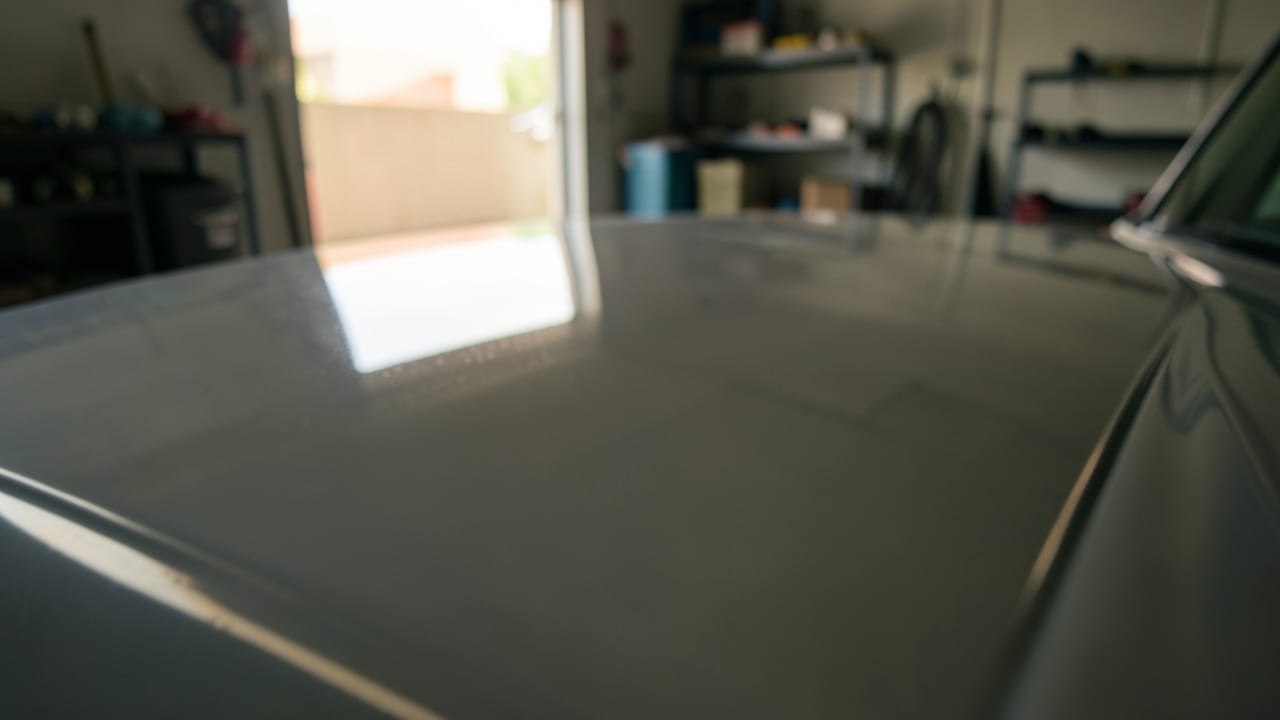
Acid Rain Etch Removal in Twin Lakes, CO
Acid Rain Etch Removal for Twin Lakes, CO vehicles — Twin Lakes is a nearby community roughly 14.9 miles southwest of Brighton..
Acid rain etch removal in Twin Lakes, CO addresses the damage caused by high-altitude UV and winter road salt, which can leave vehicle surfaces pitted and dull. The work involves carefully polishing affected areas and applying ceramic coatings to restore clarity and protect against future etching. Crews in the area typically handle this service for vehicle owners dealing with the effects of Colorado’s snowy winters and intense sunlight, ensuring finishes remain smooth and resistant to environmental wear.
Why acid rain etch removal matters in Twin Lakes
In Twin Lakes, CO, acid rain etch removal is critical for vehicle owners due to the area's high-altitude climate, which combines snowy, salted winters with intense UV exposure the rest of the year. The dense suburban setting near Brighton means vehicles are frequently exposed to road salts and pollutants that accelerate paint damage. Acid rain etches the clear coat, creating permanent spots if untreated, while UV rays further degrade the finish, making timely removal essential to preserve the vehicle's appearance and value.
This service is also available via Acid Rain Etch Removal and Twin Lakes, CO.
What acid rain etch removal actually involves, step by step
Contaminant identification. The specific contaminant — tar, tree sap, iron particles from brake dust, overspray, bird droppings — is identified first, since each one responds to a different chemistry and treating the wrong contaminant with the wrong product can do more harm than leaving it alone a little longer.
Targeted chemical treatment. A product formulated for that specific contaminant is applied and allowed to dwell on the affected area — an iron remover for brake dust, a tar and adhesive remover for sap and tar — rather than using one general all-purpose cleaner on every type of spot.
Mechanical lift where needed. Where chemical treatment alone doesn't fully release the contaminant, a clay bar or clay mitt is worked gently over the treated area to lift what remains, using a lubricant throughout so the clay doesn't drag grit across the paint surface.
Rinse and inspection. The area is rinsed clean of any product residue and inspected under direct light to confirm the contaminant is actually gone rather than just less visible, since some contaminants that look removed under indoor lighting are still faintly present outdoors.
Protective follow-up. Where the paint's wax or coating layer was disturbed during the removal process, a spray sealant or coating topper is applied afterward to restore the surface protection that the decontamination step temporarily stripped away, leaving the panel no more exposed than it was before the contaminant landed on it.
What goes wrong when acid rain etch removal is done badly
Wrong product for the contaminant. Using an all-purpose cleaner on a contaminant that needs a specific chemistry — iron particles, for instance, need a dedicated iron remover to dissolve rather than just being wiped — often just smears the contaminant across a wider area instead of lifting it.
Scrubbing instead of dwelling. Scrubbing at a bonded contaminant before giving a chemical treatment time to dwell and break it down mechanically drags whatever has not dissolved yet across the paint surface as a fine scratch, the opposite of the intended result.
Skipping the protective follow-up. Contaminant removal treatments can strip away some of the existing wax, sealant, or coating layer along with the contaminant itself, and skipping a protective follow-up afterward leaves the paint more exposed to the next round of the same contamination.
How to choose who does the work in Twin Lakes
Does the quote include paint correction before the coating is applied, or coating only? Coating applied over unaddressed swirl marks locks those imperfections in rather than fixing them. Is the full prep chain — wash, decontamination, clay bar, iron remover, panel wipe — specified, or just 'prep' as one line? Skipping steps like iron removal or clay bar leaves contaminants under the coating, which shortens how well it holds up. What coating tier is being quoted — SiO2 vs. graphene, single-layer vs. multi-layer — and what protection length does that tier typically carry in the market? Tiers vary widely in durability and price, so it helps to know exactly which one is being quoted. Is a written explanation of proper post-coating maintenance — wash method, curing window, products to avoid — provided? Incorrect washing during the curing period can compromise how well a coating bonds. Does the quote distinguish exterior paint coating from wheel, interior, or window coating packages? These are often priced and sold as separate add-ons even when marketed together. Is it explained clearly that coating does not stop rock chips or deep scratches? Coatings add hardness against light swirling but not impact protection, and that distinction is where overselling most often happens.
A quote listing 'coating' as a single line item with no breakdown of the prep steps. Prep quality — decontamination, clay bar, iron removal — affects how well a coating bonds, and a bid that skips describing it may be skipping the steps too. A tier described only by price, with no protection length or product type specified. Tiers vary widely in durability, and a price with no spec behind it is hard to compare to another bid. A price dramatically lower than every other quote for the same vehicle and tier. An unusually low price can mean a thinner coating, skipped decontamination steps, or a shorter-lasting product sold as a premium one. No explanation of post-coating maintenance or the curing window. Washing a freshly coated vehicle too soon, or with the wrong products, can compromise how the coating bonds. Any claim that the coating will stop rock chips, dents, or deep scratches. Coatings add surface hardness against light swirling, not impact protection, and a shop that blurs that distinction is overselling what the product does.
Assessment begins with a visual inspection of the paint to identify etch depth and affected areas. A professional evaluates the damage and determines the appropriate correction method, such as compounding or ceramic coating application. The condition of the paint guides the approach.
For acid rain etch removal in Twin Lakes, call for a quote — same crew, same equipment, same fair pricing as the rest of the coverage area.
See Acid Rain Etch Removal in Sherrelwood, CO for more — or discover everything Brighton vehicle owners can book with us in detail for our complete service area.
Serving Twin Lakes, CO
Ready to get started?
Talk to a local ceramic coating pro serving Twin Lakes, CO — get a written quote.
Other Services We Offer in Twin Lakes, CO
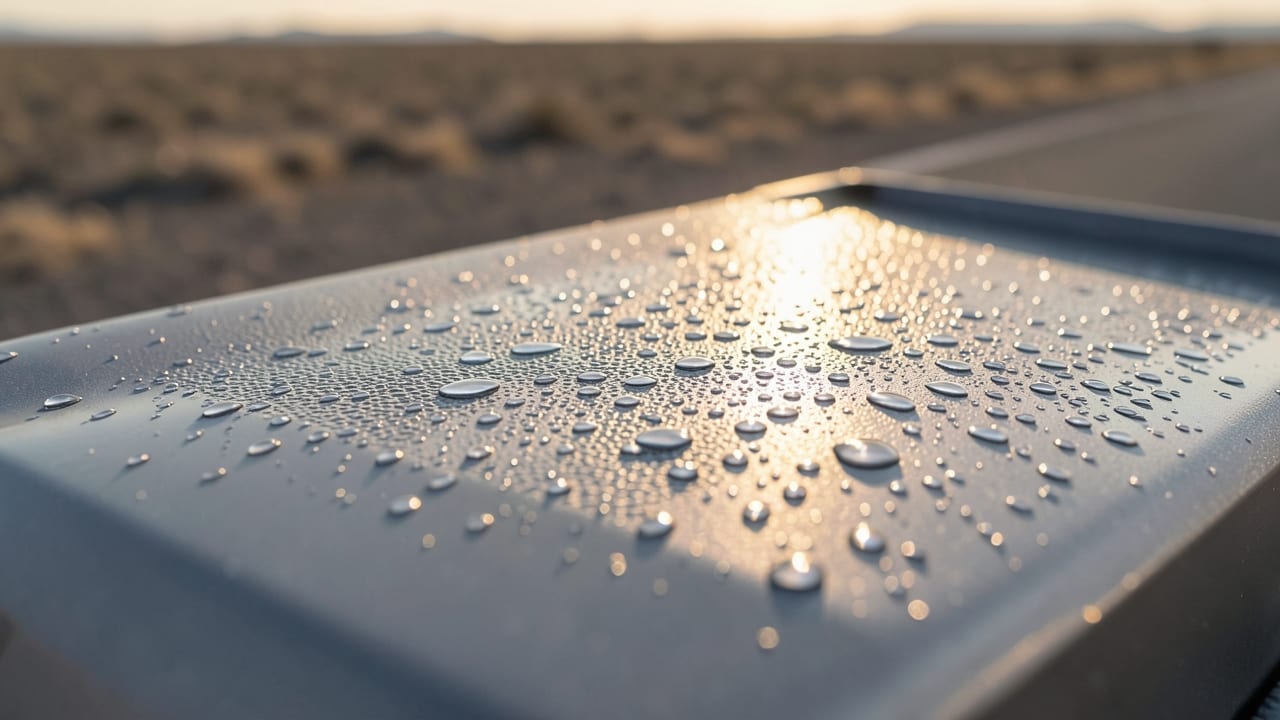
Graphene Coating in Twin Lakes, CO
Graphene Coating for Twin Lakes, CO vehicles — Twin Lakes is a nearby community roughly 14.9 miles southwest of Brighton..
Learn More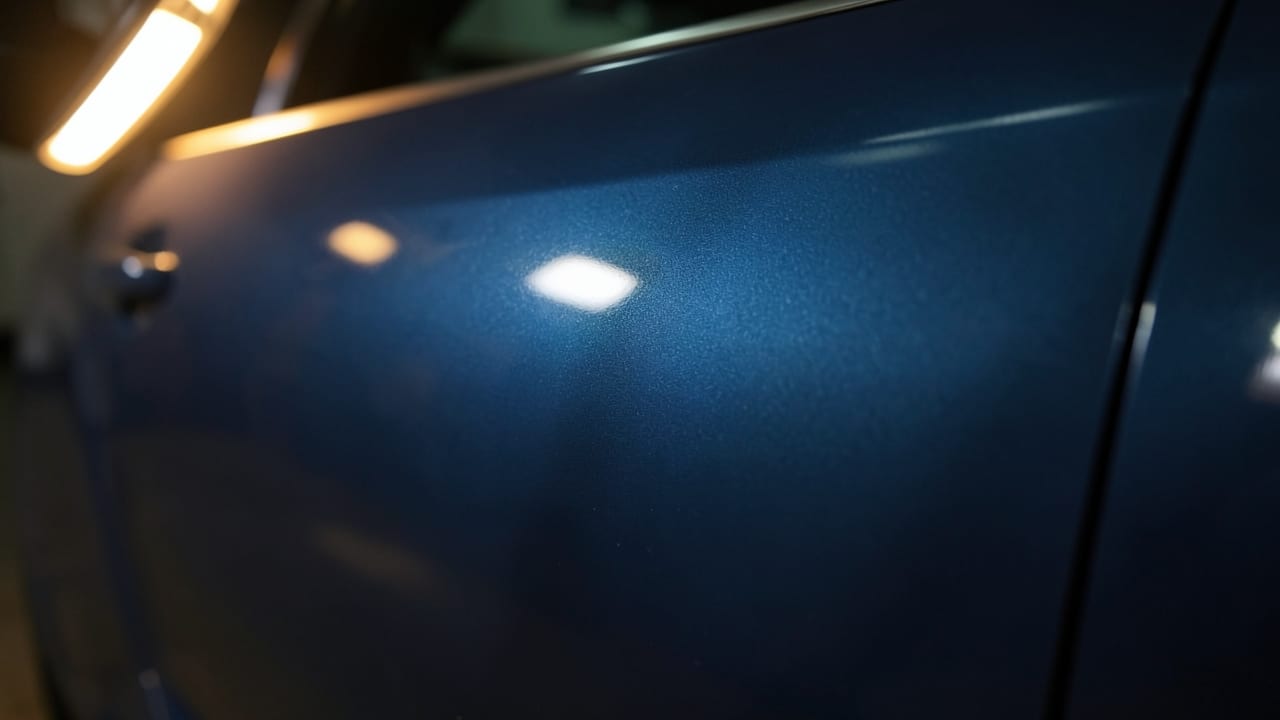
Clay Bar Paint Decontamination in Twin Lakes, CO
Clay Bar Paint Decontamination for Twin Lakes, CO vehicles — Twin Lakes is a nearby community roughly 14.9 miles southwest of Brighton..
Learn More
Engine Bay Detailing in Twin Lakes, CO
Engine Bay Detailing for Twin Lakes, CO vehicles — Twin Lakes is a nearby community roughly 14.9 miles southwest of Brighton..
Learn MoreLeather Conditioning in Twin Lakes, CO
Leather Conditioning for Twin Lakes, CO vehicles — Twin Lakes is a nearby community roughly 14.9 miles southwest of Brighton..
Learn More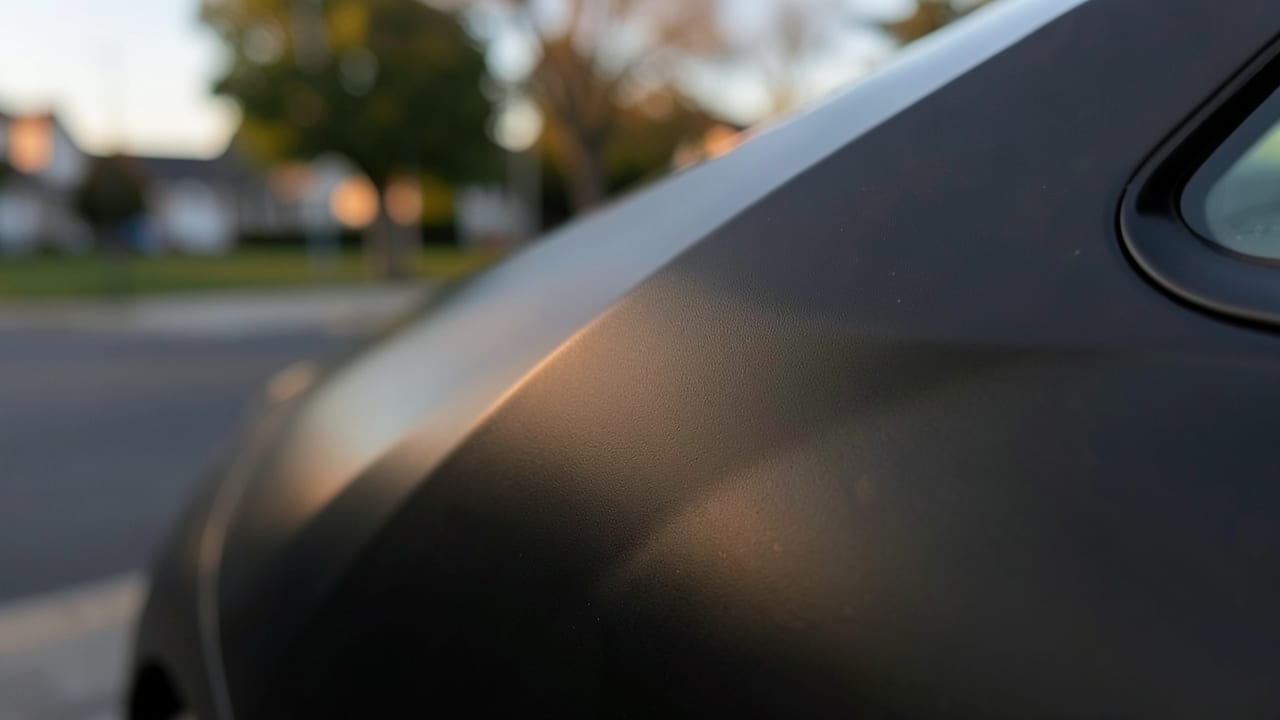
Plastic Trim Restoration in Twin Lakes, CO
Plastic Trim Restoration for Twin Lakes, CO vehicles — Twin Lakes is a nearby community roughly 14.9 miles southwest of Brighton..
Learn More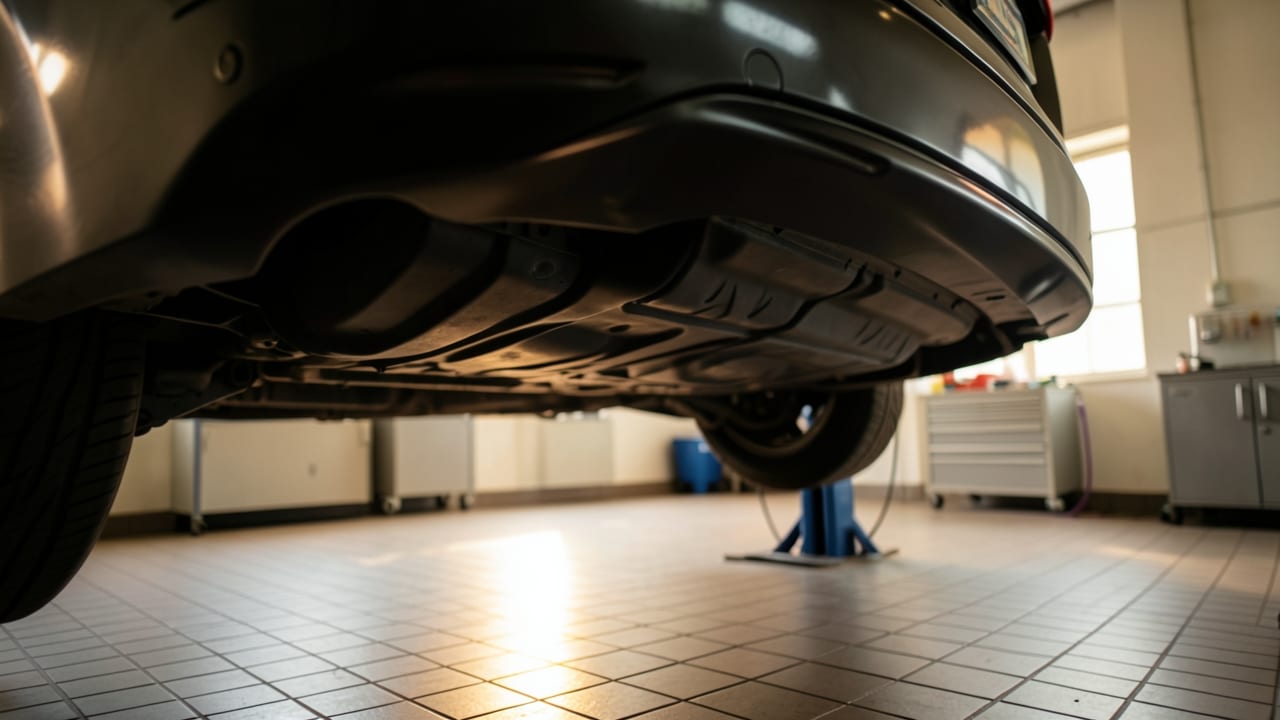
Undercoating Rustproofing in Twin Lakes, CO
Undercoating Rustproofing for Twin Lakes, CO vehicles — Twin Lakes is a nearby community roughly 14.9 miles southwest of Brighton..
Learn MoreThe same service is also covered in Sherrelwood, CO , on the same terms.
Common Questions About Ceramic Coating in Twin Lakes, CO
Everything you need to know about ceramic coating services in Twin Lakes, CO
How much does Acid Rain Etch Removal typically cost in Twin Lakes, CO?
Can ceramic coating prevent rock chips on mountain roads around Twin Lakes, CO?
Can ceramic coating be applied over a vinyl wrap or matte paint?
What does proper paint prep before a ceramic coating actually involve?
How should a coated vehicle be washed after the coating is applied?
Need Ceramic Coating in Twin Lakes, CO?
Get a written quote from our Twin Lakes, CO crew.
⏰ We answer your call • Serving all of Twin Lakes, CO and surrounding areas